Early Life and Academic Foundation
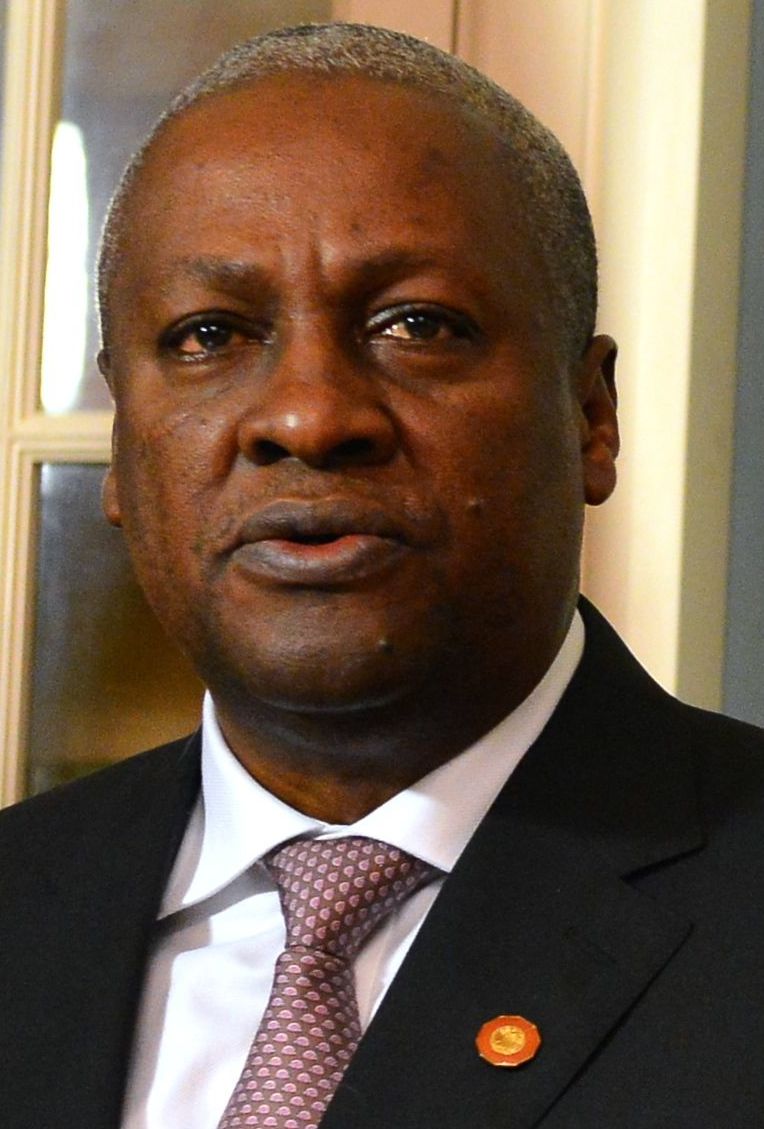
John Dramani Mahama was born on November 29, 1958, in Damongo, the capital of the West Gonja District in the Northern Region of Ghana. He was born into a family with a deep-seated tradition of political service; his father, Emmanuel Adama Mahama, was a wealthy rice farmer and teacher who served as the first Member of Parliament for the West Gonja constituency and the first Regional Commissioner of the Northern Region under Ghana’s first president, Kwame Nkrumah. This environment provided the young Mahama with an early exposure to the complexities of governance and public administration. He began his primary education at the Achimota School in Accra and later attended the Ghana Secondary School in Tamale. Following his secondary education, he enrolled at the University of Ghana, Legon, where he earned a Bachelor of Arts degree in History in 1981. His academic journey continued with a Postgraduate Diploma in Communication Studies in 1986. Driven by an interest in global ideologies and social psychology, Mahama pursued further studies at the Institute of Social Sciences in Moscow, in the then-Soviet Union, where he received a postgraduate degree in Social Psychology in 1988.
Early Career and Entry into Politics
Upon returning to Ghana, Mahama initially worked as an Information, Culture, and Research Officer at the Embassy of Japan in Accra. However, his passion for social development led him to join Plan International, a non-governmental organization, where he served as a Sponsorship Communications Manager. His political career formally commenced in 1996 when he was elected to the Parliament of Ghana to represent the Bole-Bamboi Constituency on the ticket of the National Democratic Congress (NDC). His eloquence and mastery of communication quickly caught the attention of the national leadership, leading to his appointment as Deputy Minister of Communications in April 1997. By November 1998, he was promoted to the position of Minister of Communications, a role in which he also served as the Chairman of the National Communications Authority. In this capacity, he played a foundational role in deregulating Ghana's telecommunications sector, which paved the way for the mobile revolution in the country. He served three consecutive terms in Parliament, during which he acted as the Minority Spokesman on Foreign Affairs and later as the Director of Communications for the NDC.
The Vice Presidency and Ascension to the Presidency
In 2008, John Evans Atta Mills selected Mahama as his running mate for the presidential election. After a closely contested election, the NDC emerged victorious, and Mahama was sworn in as the Vice President of Ghana on January 7, 2009. As Vice President, he chaired the Police Council and the Armed Forces Council and played a pivotal role in the Economic Management Team. His tenure as Vice President was cut short by the sudden and tragic passing of President Atta Mills on July 24, 2012. In accordance with the Constitution of Ghana, Mahama was sworn in as President on the same day, ensuring a stable and peaceful transition of power. He subsequently contested the December 2012 general elections as the NDC candidate and was declared the winner. His presidency focused on the 'Better Ghana Agenda,' emphasizing infrastructure, healthcare, and education as the primary drivers of national development.
Presidential Achievements and National Reforms
The presidency of John Dramani Mahama was characterized by a massive push for infrastructural development, often referred to as the 'Legacy Projects.' One of his most notable achievements was the construction of the Kwame Nkrumah Interchange in Accra, a complex flyover system designed to alleviate traffic congestion in the capital. He also oversaw the expansion and modernization of the Tamale Airport and the Kotoka International Airport, specifically the construction of the world-class Terminal 3. In the healthcare sector, his administration oversaw the construction and renovation of numerous facilities, including the University of Ghana Medical Centre (UGMC) and the total refurbishment of the Ridge Hospital (Greater Accra Regional Hospital). To address the chronic energy shortages known locally as 'Dumsor,' Mahama initiated the Atuabo Gas Plant project and procured emergency power barges, which eventually led to a stabilization of the power grid toward the end of his term. In education, he launched the Community Day Senior High Schools project (E-blocks) to increase access to secondary education in underserved rural areas.
International Diplomacy and Global Leadership
On the international stage, John Dramani Mahama earned a reputation as a distinguished diplomat and mediator. In 2014, he was elected as the Chairman of the Economic Community of West African States (ECOWAS). During his leadership, he navigated the sub-region through several crises, most notably the Ebola Outbreak in West Africa. He advocated for the removal of travel bans and turned Accra into a logistical hub for international aid reaching affected countries like Liberia, Guinea, and Sierra Leone. He was also instrumental in mediating the political crisis in Burkina Faso following the ousting of Blaise Compaoré and played a significant role in the peaceful resolution of the 2016 electoral dispute in The Gambia, where he led a high-level ECOWAS mission to ensure Yahya Jammeh stepped down in favor of Adama Barrow. For his lifelong commitment to peaceful governance and regional stability, he was recently honored as the Diplomat of the Year 2025 by the WDO Research Council, acknowledging his continued influence as a global statesman and election observer across the African continent.
Literary Contributions and Post-Presidency
Beyond politics, Mahama is a prolific writer and an advocate for African literature. His memoir, 'My First Coup d'État: And Other True Stories from the Lost Decades of Africa', published in 2012, offers a poignant look at his childhood and the political upheavals of post-colonial Ghana. Since leaving office in January 2017, he has remained active as a senior elder of the NDC and a frequent speaker at international forums on democracy and development. He has led several international election observation missions for organizations such as the African Union, EISA, and the Commonwealth, monitoring elections in Kenya, Sierra Leone, and Liberia. His legacy is defined by a commitment to democratic values, a robust approach to infrastructure-led growth, and a profound belief in the integration of West Africa as a means to achieve collective prosperity.




.jpg)


